
Commercial Property
Office, retail, and industrial holdings let to businesses on contractual lease terms.


Fiduciary-led asset management across complementary investment services — built for long-term growth, independent governance, and transparent reporting.
Commercial and residential holdings structured for durable rental income first, with long-term value appreciation treated as a secondary, cycle-dependent outcome.
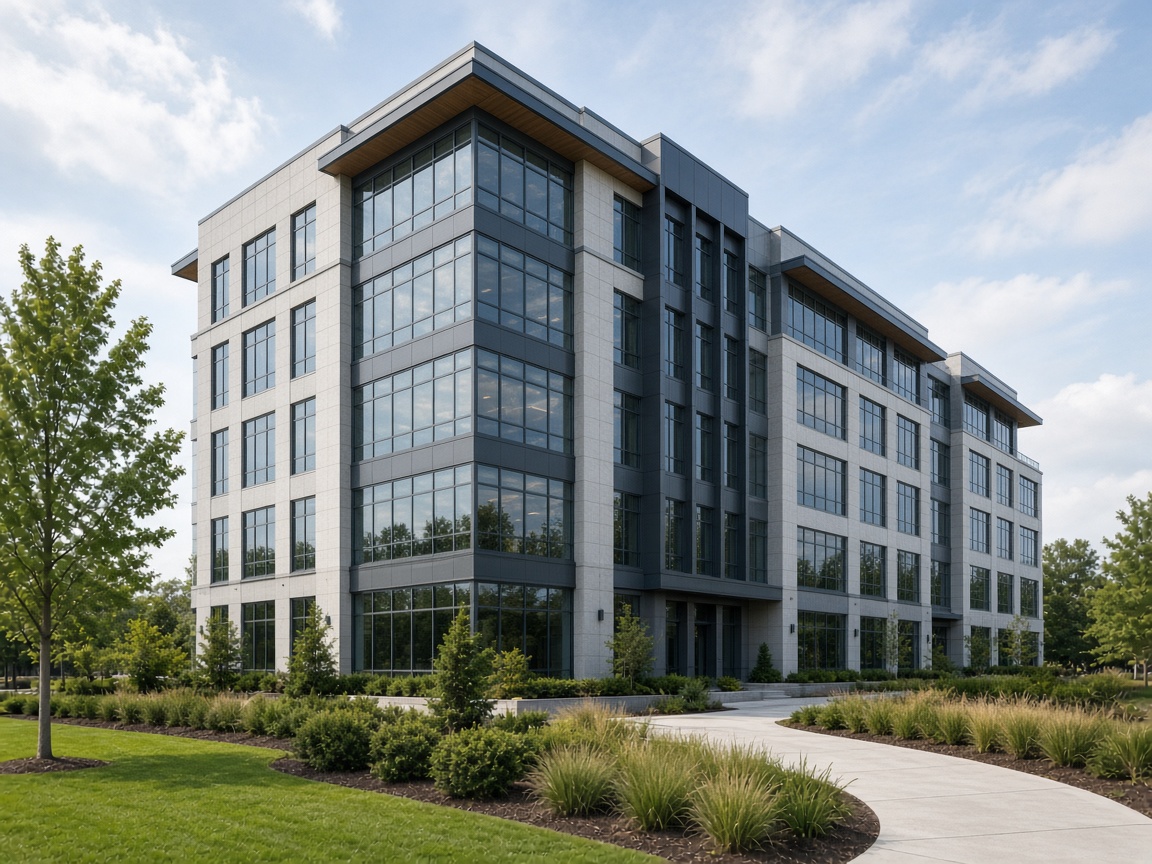
Real estate is ownership of commercial or residential property that produces two things: rental income while it is held, and a change in value when it is eventually sold or refinanced. Of the two, income is the steadier and more repeatable component across a full market cycle — which is why it anchors how we think about the sector.
Investors use real estate to diversify away from listed markets, to hold a tangible asset with a contractual income stream, and to gain exposure to specific cities, property types, or tenant sectors that suit their portfolio. It behaves differently from equities and bonds, which is exactly its value in a multi-sector mandate.
Institutional real estate follows a consistent lifecycle, whether the asset is a well-let office floor or a residential block with room to improve.
A market and an asset are screened together — location, tenant demand, lease terms, and the specific gap an owner can close: vacancy, below-market rent, or deferred maintenance.
Outcome: Investment caseEach opportunity type plays a different role in a portfolio — chosen for the part it plays, not because it is fashionable.
Office, retail, and industrial holdings let to businesses on contractual lease terms.

Multi-unit residential holdings structured for steady occupancy and rental demand.

Assets with identifiable room for leasing or condition improvement before stabilisation.

Documented co-ownership or participation structures for clients seeking targeted exposure.